
At Bayshire Yorba Linda, we recognize how important fall prevention for seniors becomes as they enter their later stages of life. The fall nobody witnessed and the phone call that followed. Just finding out that the aging loved one has experienced a fall feels horrific and daunting for the family.
For them, the whole day can feel catastrophic. Anxiety can quickly take over, causing inevitable moments of distress. The incident forces them to think beyond home safety measures. Questions like “Why do elderly people fall?” or “Is one fall a sign of something serious?” come to mind.
This blog covers everything you, as a loved one, need to know about falls in your aging parent. We’ll cover how even a seemingly minor fall can signal something serious, what to do after a parent falls, the benefits of balance exercises for seniors, how to reduce home hazards that cause falls, and when to consider assisted living for an aging parent.
Why Falls Happen More With Age
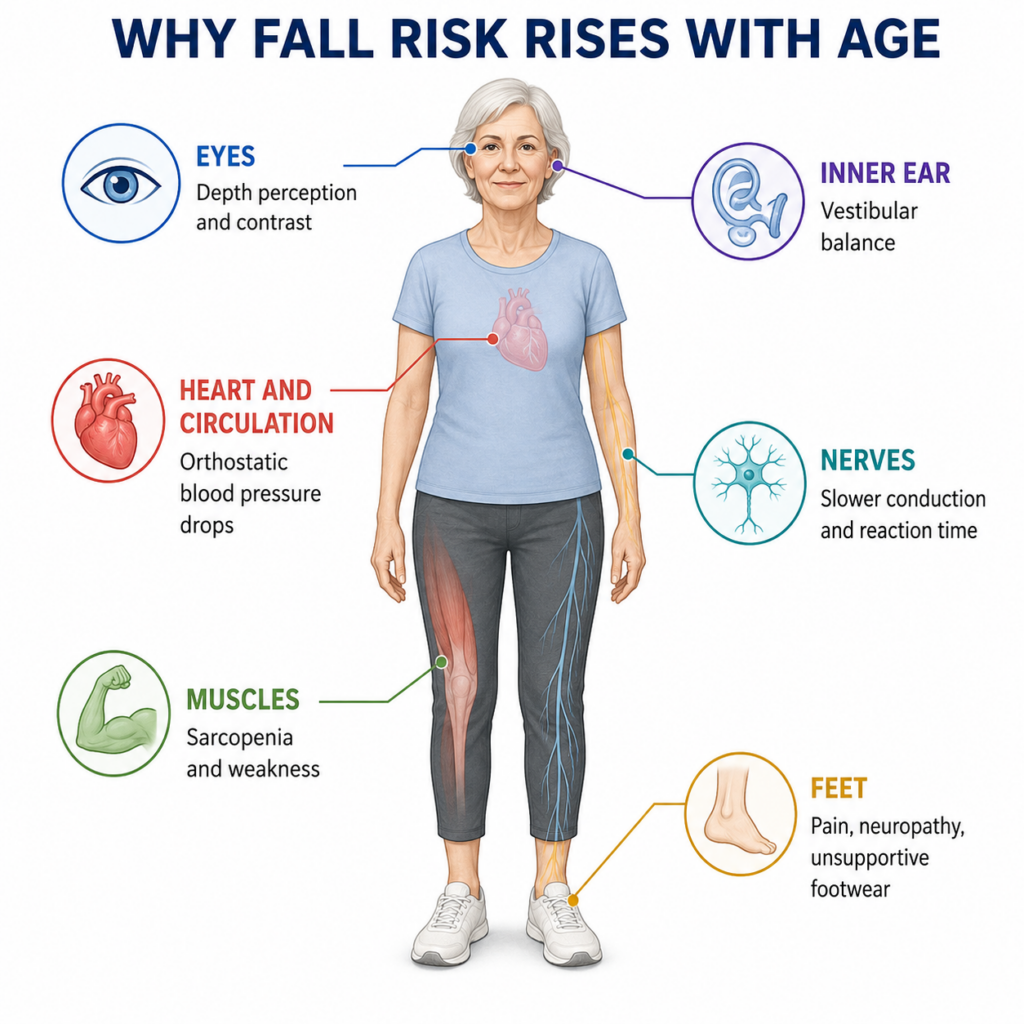
Before you do anything about fall risk assessment, you need to understand why fall risk increases with age. The body undergoes rapid changes that cause gait changes with age. Gait changes are our body’s natural shift toward safer, more stable walking as we age. While these changes are part of normal aging, they often stem from joint pain, muscle weakness, injury, or nerve and brain conditions like neuropathy or Parkinson’s disease. All of these affect a senior’s ability to walk safely and navigate their environment, making them more susceptible to falls.
Besides the conditions mentioned above, other factors can also make seniors more prone to falls. Causes like blood pressure medication, sedatives, vision changes, foot pain, and dehydration are some of the more prominent causes of falls that families never even suspect.
Here are details on which issues increase a senior’s fall risk.
Balance, And Gait Changes
Falls in older adults are closely linked to decline in muscle strength, sensory integration, and nervous system function. These shifts can lead to slower walking speed, shorter steps, and a higher risk of trips or serious injury.
Loss of natural muscle mass (sarcopenia) reduces a senior’s strength. They often have to stiffen their lower ankles while walking for better stability. Reduced nerve conduction velocity delays their body’s ability to respond to a sudden slip or trip. Gait changes, including shorter strides, a wider base of support, and reduced foot clearance, also increase fall risk.
Vision, Blood Pressure, And Inner-Ear Causes
As seniors age, rapid changes in vision, blood pressure, and inner-ear function can increase fall risk. This usually stems from interacting sensory and circulatory issues, poor vision, blood pressure drops, and inner-ear dysfunction.
Reduced vision affects one’s spatial awareness; a drop in blood pressure, like orthostatic hypotension, causes sudden lightheadedness upon standing; and vestibular issues disrupt spatial orientation and balance, all of which contribute to an increased risk of falls.
The Medication Connection Families Miss
Many families aren’t aware of the hidden link between common medication prescriptions and their dangerous effects on seniors. A senior taking certain medications every day to manage various healthcare issues might not even be aware of the fact that these can increase their fall risk.
As the family themselves can’t predict which medications are increasing the risk of falls in their parents, they need to ask a doctor or a pharmacist to check all the prescription and OTC pills. The doctor can suggest medication changes or lower doses to see whether they still cause side effects that increase fall risk. They will also check if polypharmacy might be causing an increased risk of falls and then make necessary changes in the timing of the medication regimen.

Common Prescriptions That Raise Fall Risk (Table)
Here’s information on some common medications and their effects that will give you a basic understanding of how they may eventually increase the fall risk in a loved one.
| Common Prescriptions Drugs | How They Increase Fall Risk |
|---|---|
| Psychotropic drugs | affect balance and coordination |
| Blood pressure drugs | Cause dizziness (orthostatic hypotension) |
| Sleep aids | Leave older adults groggy, confused, and uncoordinated the next day |
| Antidepressants | Cause sedation, blurred vision, or lightheadedness |
| Opioid pain relievers | Slow reflexes cause mental confusion |
| Diabetes medications | Lower blood sugar too sharply, can lead to sudden weakness |
What The First Fall Usually Predicts
While a single fall can’t be considered a serious concern, it usually signals a higher risk of future falls. The family, unsure what caused the fall, gets distressed and often looks for ways to prevent future falls. A single incident, no matter how tragic, is enough to fill a senior with fear of falling again. Once instilled, this fear affects them in multiple ways. The fear of falling again often triggers a psychological distress cycle that eventually reduces their activity and accelerates the decline that may cause the next fall.
Fear Of Falling And The Cycle It Starts
As adult children, you might think that a single fall incident isn’t much of a serious issue. But for your parent, who has experienced a fall, the world often changes in ways you can’t even imagine. For them, a single incident can trigger a cycle of negative thoughts about falls. It can make them lose confidence in moving around and navigating the house. Even moving around can make them anxious, so they begin reducing their activity. This inactivity leads to muscle weakness, stiffness, and unnatural walking patterns that, ironically, increase the risk of another fall.
The 72 Hours After A Fall: A Practical Checklist
After addressing the immediate incident, the family must shift their focus to restoring their loved one’s sense of security and independence. After they’re done checking for hidden injuries, managing pain, and treating any trauma, they need to plan a doctor’s visit. Before planning the visit, they can ask their loved one specific questions about the fall. Being prepared will help them get a complete assessment and improve their chances of preventing another fall.
What To Ask The Doctor
As a specialist, the doctor can help you evaluate the fall incident in detail. Ask them to check for possible medical issues, like low blood pressure or dehydration, that might have caused the fall. Bring all medication prescriptions so the doctor can review them and determine whether any might have caused dizziness that led to the fall. To double-check everything, ask whether an X-ray or CT scan is needed to check for hidden injuries or whether a specialist exam from a cardiologist, eye doctor, or balance expert is needed.
Signs That Need Immediate Attention
Seeing the senior standing and alert doesn’t necessarily mean they are fine and able to move around the house like before. Some symptoms are delayed. They may show up only after a while, and before then they may not be noticeable at all. For instance, adrenaline can hide pain at first, and severe internal issues like slow brain bleeding or hairline fractures often take hours or days to show. So after around 72 hours of the fall incident, if you notice any signs that point to a serious issue involving head symptoms, severe pain, or trouble moving, seek medical assistance.
Making The Home Safer, Room By Room
Is one fall a sign of something serious? Many families ask this question. The answer varies by person and by the fall’s severity. Instead of jumping to a care option right away, they should work toward creating a safer, more secure environment.
To make a home safer and prevent dangerous falls, the family can focus on high-risk zones first. They can clear floor clutter, improve lighting with motion-sensor nightlights, anchor loose rugs, and install sturdy grab bars and handrails room by room.
Recovery: What Therapy Actually Does
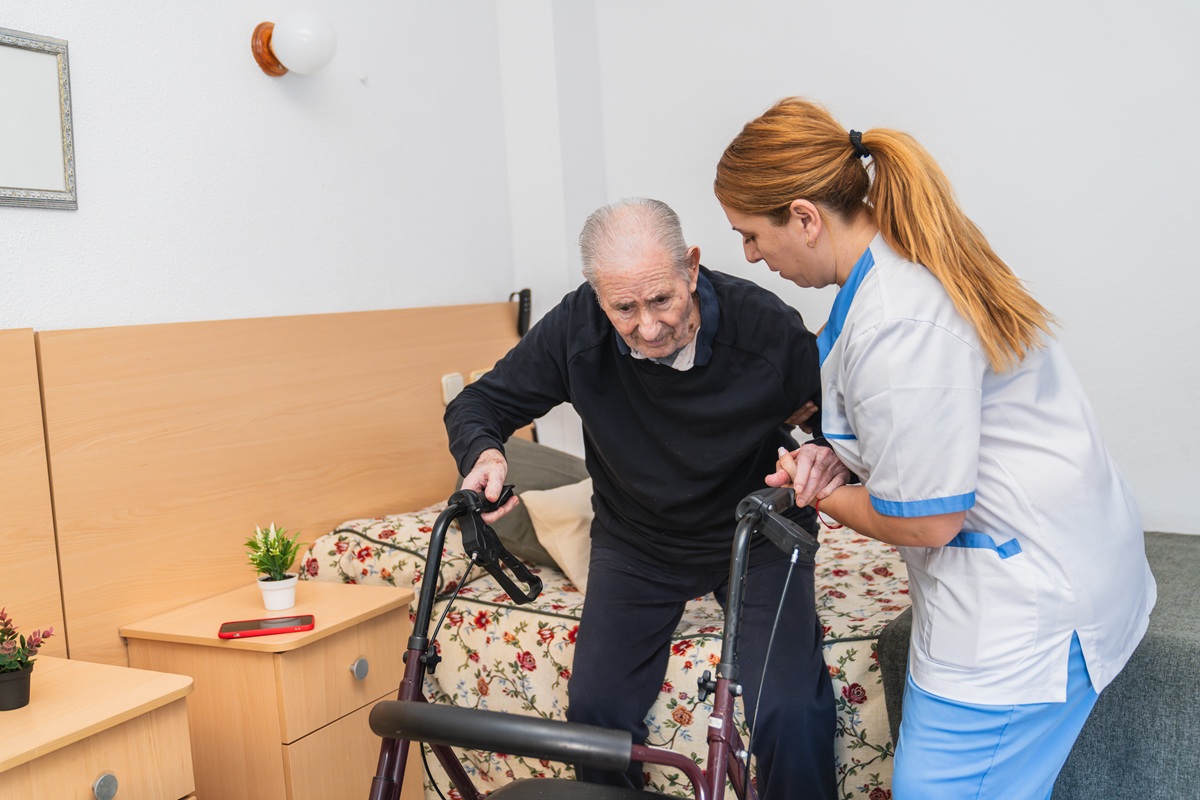
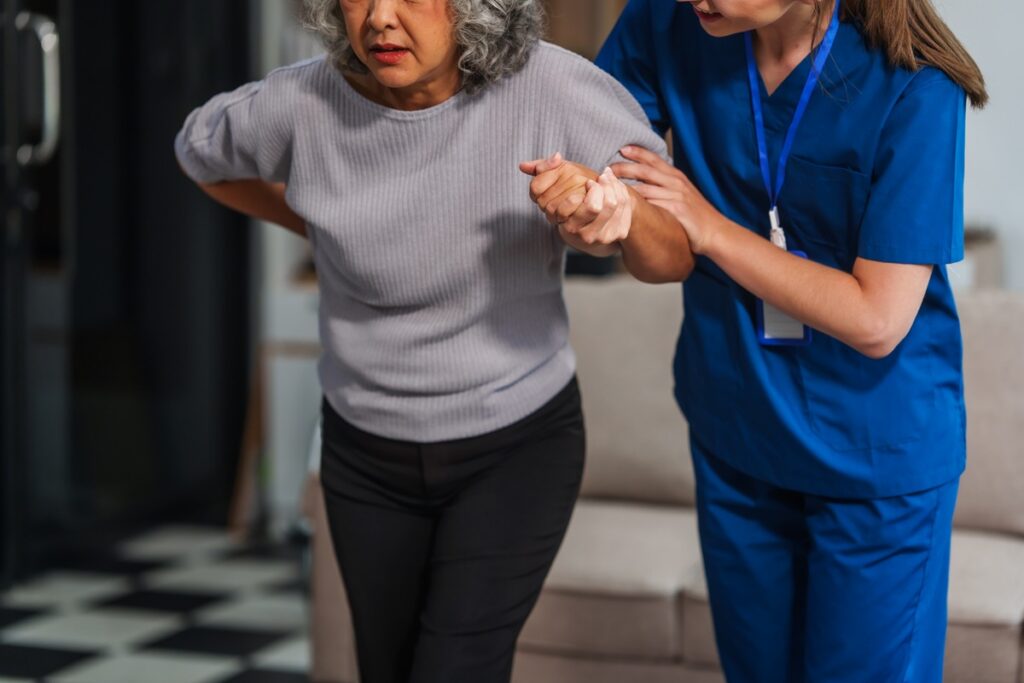
A fall affects a senior not only mentally but also physically. Typically, an older adult loses their strength and balance after experiencing a fall. For this reason, therapy plays an important role in helping them rebuild strength, retrain the brain and the body to catch missteps, and ease the fear of falling again. Physical therapy includes targeted movement and home adjustments that help older adults safely return to daily routines and prevent future falls and injuries.
Exercises And Habits That Genuinely Reduce Falls
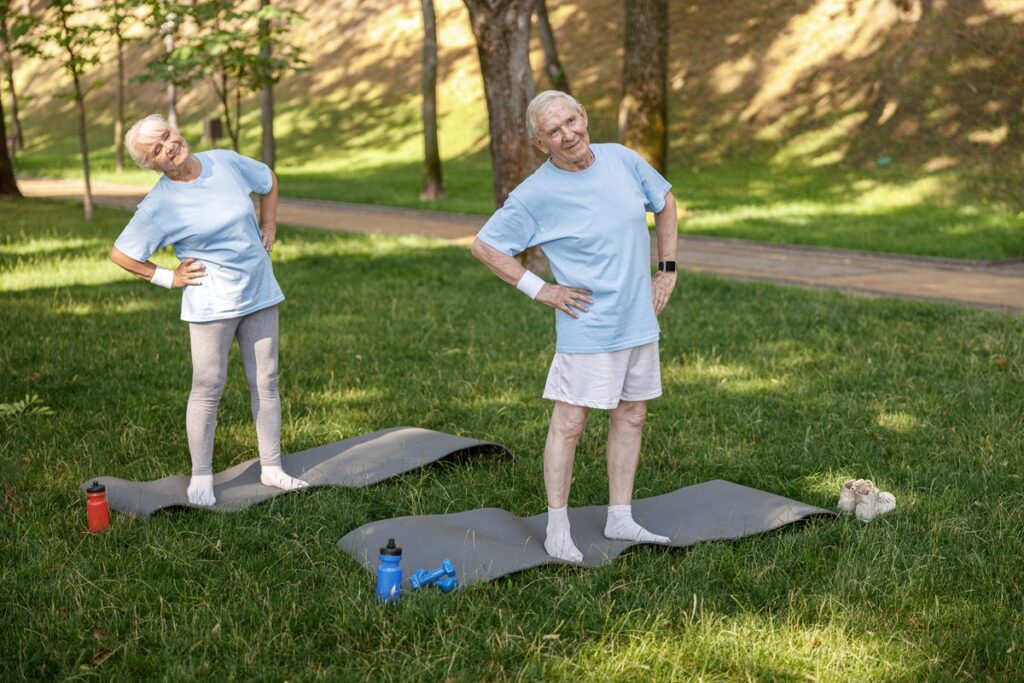
One of the best ways to prevent falls in seniors is to practice certain exercises and habits that help reduce fall risk and support recovery. But what are the best balance exercises for older adults? No single set of exercises is best for all seniors. Older adults must practice specific lower-body strength and balance movements like sit-to-stands, tandem stances, single-leg balance, and toe leans.
To get the most benefit, they should make daily lifestyle adjustments such as clearing home clutter, wearing supportive shoes, lighting walkways, adding bathroom support, and having their medications reviewed periodically.
When A Fall Means The Living Situation Has To Change
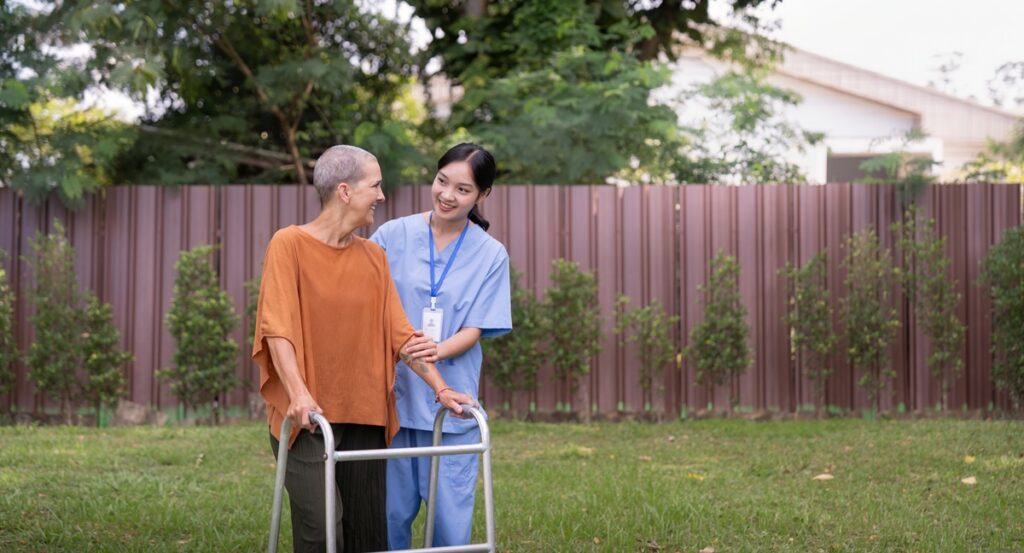
Whether it’s a minor injury or a hip fracture recovery, families are always concerned about their loved one’s well-being. But sometimes, home improvements aren’t enough to keep them safe. Sometimes, they need to move to a specialized place that offers more support, helps prevent accidents, and meets daily care needs.
This specialized place is an assisted living community. An assisted living community provides a safe, secure daily living environment with specialized, senior-friendly living arrangements. These communities handle daily living essentials and maintenance while assisting with activities of daily living (ADLs) like bathing and medication to promote a safe, dignified daily living experience for residents.
Families unsure about whether to choose this kind of professional support can first opt for assisted living as a short-term rehab option. They need to understand that their mom tripping on the rug wasn’t just a random incident. This may point to a broader safety concern and the need for a more supportive living environment.
FAQ
- Why do older adults fall so often?
Older adults fall more often for several reasons, including physical changes, health issues, and home hazards.
- Is one fall a warning sign of something bigger?
One fall can signal something bigger, as it may point to hidden health or balance issues. It’s noted that experiencing a single fall doubles a senior’s chances of falling again.
- Does a fall mean it’s time for assisted living?
Not necessarily. However, take a fall seriously, as it may signal an underlying health, balance, or home safety issue.
- What medications increase the risk of falling?
Common prescription drugs that increase a senior’s risk of falling include sedatives, antidepressants, and blood pressure pills. Polypharmacy may also increase their fall risk.
- How do I make a home safer without making it feel like a hospital?
To make your home safer and reduce the risk of a second fall, remove loose rugs, add bright LED lights in dark halls, clear floor clutter, and install sturdy grab bars in the bathroom.
Bayshire Yorba Linda – A Safe & Compassionate Assisted Living Community
At Bayshire Yorba Linda, we understand how serious falls can be for older adults. While a single fall doesn’t necessarily mean an emergency, it usually signals the need for a safer, more accessible living environment. As adult children, you must know that if falls have started, the environment matters as much as your parent’s exercise routine.
Instead of waiting for a crisis to happen, it’s best to choose a safe and more appropriate living space for your loved one. To do that, contact us at Bayshire Yorba Linda.
At our assisted living community, they will have access to premier apartments. The community features walking paths, 24-hour awake staff, and ample safety and security measures built around fall prevention. We don’t just promote safety; we encourage residents to live autonomously without worrying about fall risks.
Schedule a tour today to see the measures we have in place to promote a safe, engaging daily living experience for seniors.